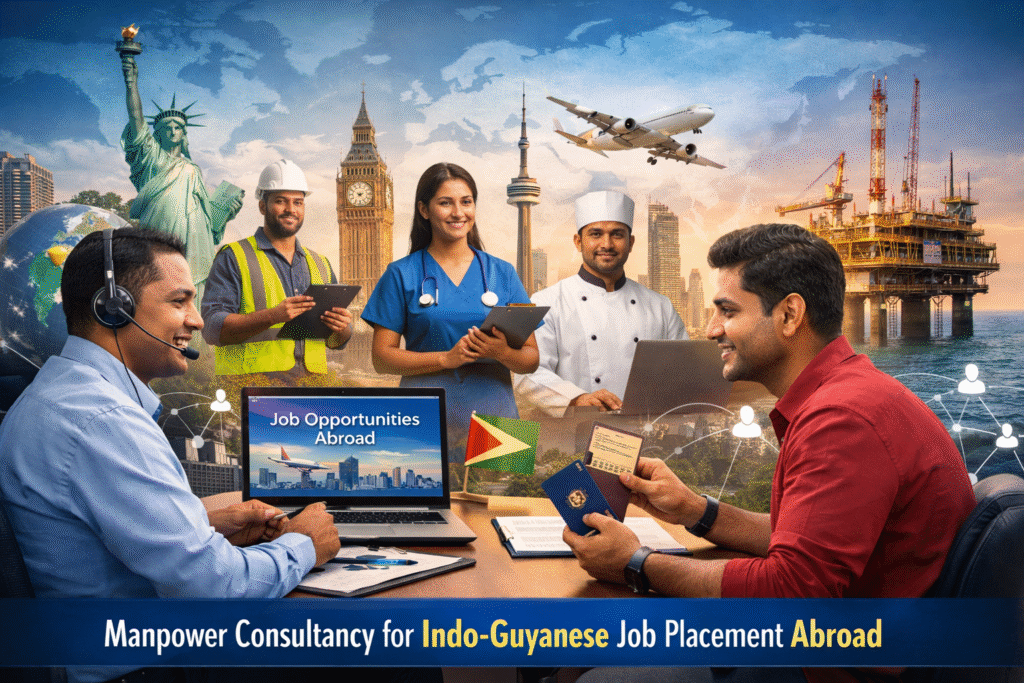

Workforce mobility has become increasingly important in today’s global economy. As businesses expand across borders, they need access to skilled professionals who can contribute to their growth. At the same time, workers are looking for better career opportunities, international experience, and improved professional development. For Guyana, this growing movement of talent creates exciting opportunities to connect local professionals with employers around the world.
However, international employment is not always simple. Finding the right opportunity, understanding employment requirements, preparing documents, and adapting to a new workplace can be challenging. This is where consultancies play an important role. By connecting employers and candidates, providing professional guidance, and supporting the recruitment process, consultancies can make workforce mobility between Guyana and other countries more efficient and organized.
Connecting Guyanese Talent With International Opportunities
One of the most important roles of a consultancy is to connect qualified professionals with suitable international employers. Businesses in different countries may require workers with specific technical skills, professional experience, or industry knowledge.
Meanwhile, many Guyanese professionals may have the qualifications and experience needed by these employers but may not know where to find suitable international opportunities. Consultancies help bridge this gap.
First, they identify the needs of employers. Then, they search for candidates whose qualifications and experience match those requirements. As a result, businesses can access a broader talent pool while professionals can discover career opportunities beyond their local market.
Understanding Employer Requirements
International recruitment requires a clear understanding of what employers are looking for. Requirements can vary significantly between countries, industries, and organizations.
For example, an employer may require specific educational qualifications, professional certifications, technical skills, language abilities, or years of experience. Therefore, consultancies carefully review job descriptions and employer expectations before recommending candidates.
Furthermore, consultants can help candidates understand whether their qualifications match the position. This saves time for both employers and job seekers and increases the likelihood of successful placements.
Supporting International Recruitment Processes
Workforce mobility involves more than simply matching a candidate with a job. Once a suitable opportunity is identified, several steps may follow, including interviews, background checks, document verification, employment offers, and relocation planning.
Consultancies can help coordinate these stages. They can communicate with employers, organize interviews, guide candidates through documentation requirements, and provide updates throughout the recruitment process.
Consequently, candidates have a clearer understanding of what to expect, while employers can manage recruitment more efficiently.
Helping Candidates Prepare for International Interviews
International interviews can be different from local interviews. Candidates may need to communicate with employers through video calls, online assessment platforms, or formal interview panels.
Therefore, preparation is essential.
Consultancies can help candidates understand the expectations of international employers. They may provide guidance on professional communication, interview etiquette, answering common questions, presenting experience, and discussing technical skills.
Moreover, candidates can receive feedback on their resumes and interview performance. This preparation can improve confidence and help professionals present their skills more effectively.
Supporting Documentation and Compliance
Another important part of international workforce mobility is documentation. Depending on the destination country and type of employment, workers may need passports, educational certificates, professional licenses, police clearances, medical documents, work permits, or other supporting records.
The process can sometimes be confusing, especially for candidates who have never worked internationally before.
For this reason, consultancies can provide guidance on the documents required for a particular recruitment process. They can also help candidates understand timelines and ensure that required information is submitted correctly.
Importantly, reputable consultancies should emphasize legal and ethical recruitment practices. Candidates should receive clear information about employment conditions, fees, contracts, and relevant requirements before accepting an international position.
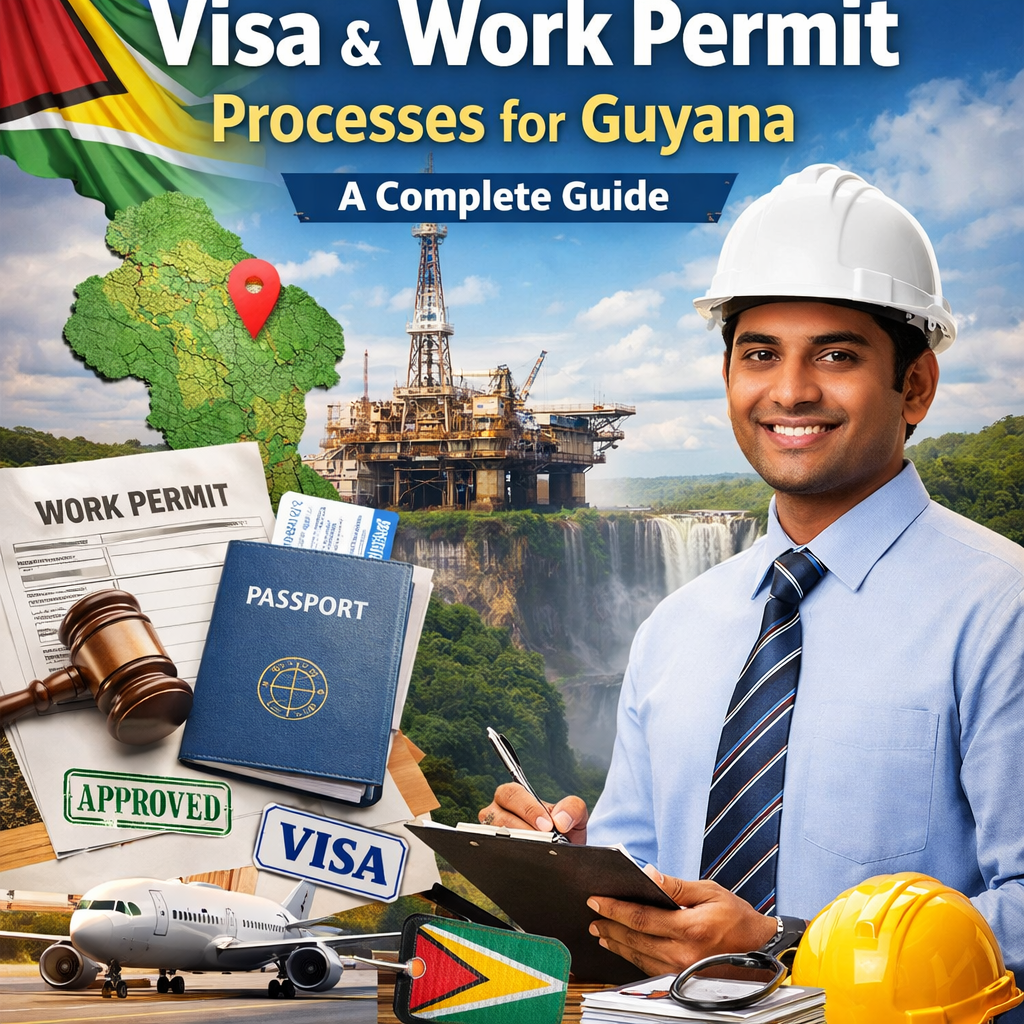
Supporting Work Permit and Visa Processes
For many international jobs, obtaining the appropriate work authorization is an essential step. However, immigration rules differ from one country to another and can change over time.
Consultancies can help candidates understand the general process and identify the documentation they may need. They can also coordinate with employers and relevant professionals when additional assistance is required.
As a result, candidates are better prepared to complete the necessary steps before relocating.
It is important to note that immigration decisions are made by the relevant government authorities. A consultancy can provide recruitment and process support, but it cannot guarantee visa or work permit approval.
Helping Employers Access Global Talent
Workforce mobility also benefits employers. Businesses sometimes struggle to find workers with specialized skills within their local market.
By working with international recruitment consultancies, these businesses can expand their search beyond national borders. This can be particularly valuable in industries experiencing skills shortages or rapid growth.
For example, employers may need professionals in construction, engineering, healthcare, information technology, hospitality, finance, or other specialized fields.
Therefore, international recruitment can help companies build stronger and more diverse teams while giving qualified professionals access to new career opportunities.
Supporting Relocation and Workplace Adjustment
Getting a job is only one part of international mobility. Moving to another country can also involve significant personal and professional adjustments.
Candidates may need to learn about workplace culture, communication styles, living arrangements, transportation, and general expectations in their destination country.
Consultancies can provide practical guidance before departure. They can help candidates understand what to expect and encourage them to prepare for cultural and workplace differences.
Additionally, employers can benefit from better-prepared employees who understand the expectations of their new environment.
Building Long-Term Workforce Partnerships
Successful workforce mobility should not always be viewed as a one-time recruitment transaction. Instead, consultancies can build long-term relationships with both employers and candidates.
By understanding a company’s future staffing needs, consultants can develop a more strategic recruitment approach. Similarly, they can maintain relationships with qualified professionals and inform them about suitable opportunities as they become available.
Over time, this creates a stronger talent network connecting Guyana with international markets.
Creating Opportunities for Guyana’s Growing Workforce
Guyana’s developing economy is creating new opportunities for businesses and professionals. At the same time, international employers are increasingly interested in accessing skilled talent from different parts of the world.
Consequently, workforce mobility can become an important part of Guyana’s connection with the global economy.
Consultancies can support this development by creating reliable links between employers and professionals. They can help businesses find the right people while helping candidates navigate the challenges of international employment.
Looking Ahead
The future of workforce mobility will likely become increasingly global and technology-driven. Online interviews, digital recruitment platforms, virtual assessments, and international professional networks are making it easier for employers and candidates to connect across borders.
Nevertheless, human guidance remains valuable. Candidates still need support when making important career decisions, while employers need reliable partners who understand their recruitment requirements.
Ultimately, consultancies can serve as a bridge between Guyana and international employment markets. By supporting recruitment, candidate preparation, documentation, compliance, and international workforce connections, they can make global career opportunities more accessible.
As Guyana continues to strengthen its connections with other countries, workforce mobility can play an important role in building skills, supporting businesses, and creating new opportunities for professionals. With responsible and well-organized consultancy support, the relationship between Guyanese talent and international employers can become stronger, more efficient, and more sustainable.