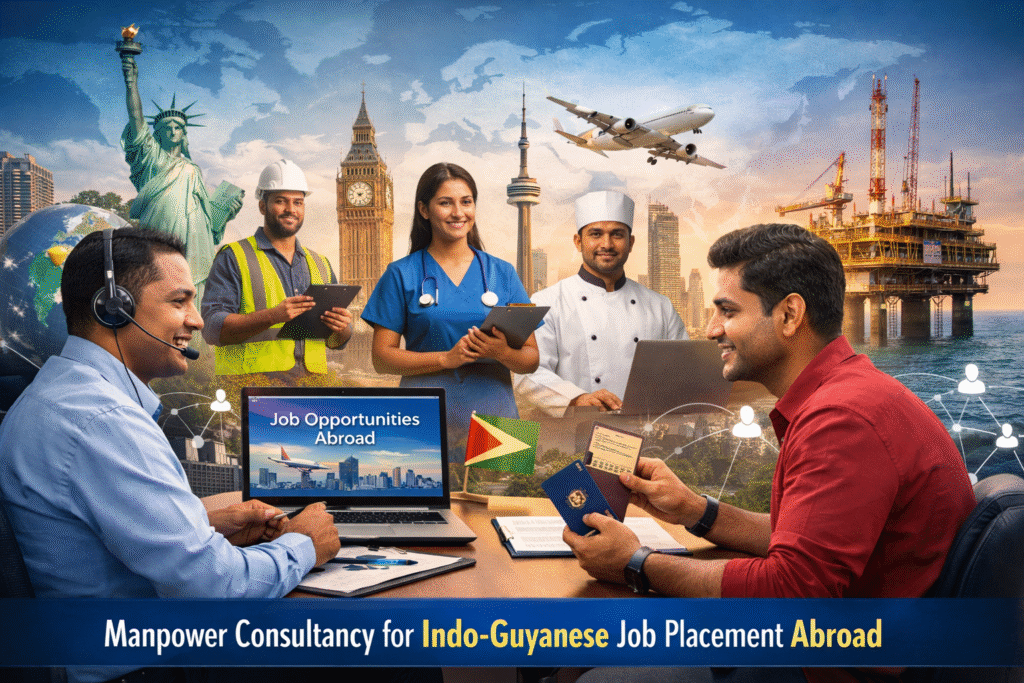

Working in another country can be an exciting opportunity for professionals who want to grow their careers, gain international experience, and explore new possibilities. However, getting a job abroad is only the beginning. Once candidates enter an international workplace, they may face unfamiliar communication styles, workplace expectations, cultural practices, and professional standards. Therefore, adapting successfully requires preparation, flexibility, and the right guidance.
This is where consultancy services can make a meaningful difference. Professional consultancy firms help candidates understand what to expect before they enter a new work environment. Moreover, they provide practical guidance that allows professionals to become more confident and effective in international workplaces.
Understanding International Workplace Culture
Every country has its own workplace culture. For example, some workplaces may encourage employees to communicate directly, while others may place greater importance on formal communication and hierarchy. Similarly, attitudes toward punctuality, teamwork, leadership, meetings, and decision-making can vary significantly.
Therefore, candidates need to understand these differences before starting an overseas position. Consultancy services can introduce candidates to common workplace practices in their destination country. They can explain how employees are expected to communicate with managers, colleagues, and clients.
Furthermore, this preparation helps candidates avoid misunderstandings. Instead of learning everything through trial and error, professionals can enter their new workplace with a better understanding of professional expectations.
Improving Communication Skills
Communication is one of the most important skills in an international workplace. Although candidates may have strong technical knowledge, communication challenges can affect their ability to work effectively with colleagues from different backgrounds.
Consultancy services can help candidates improve both verbal and written communication. For instance, candidates may receive guidance on professional emails, workplace conversations, presentations, meetings, and interviews.
In addition, consultants can explain the importance of tone and professional language. A communication style that feels normal in one country may appear too informal or too direct in another. Consequently, understanding these differences can help candidates communicate more effectively.
Moreover, consultants may encourage candidates to practice active listening. By listening carefully and asking appropriate questions, professionals can build stronger relationships with international colleagues.
Preparing Candidates for Cultural Differences
Cultural differences can influence almost every aspect of professional life. From greetings and personal space to meeting etiquette and teamwork, candidates may encounter practices that are different from what they are accustomed to.
However, cultural differences should not become barriers to career success. Instead, they can become opportunities to learn and develop.
Consultancy services can provide cultural orientation programs that introduce candidates to the social and professional customs of their destination country. As a result, candidates can approach unfamiliar situations with greater confidence.
For example, consultants may explain how employees typically address senior managers, participate in meetings, provide feedback, or handle disagreements. This knowledge can help candidates adapt without losing their own professional identity.
Developing Workplace Confidence
Starting a new job in another country can naturally create uncertainty. Candidates may worry about making mistakes, misunderstanding instructions, or communicating with unfamiliar colleagues.
Therefore, building confidence before relocation is extremely valuable.
Consultants can conduct mock workplace situations, role-playing exercises, and professional development sessions. Through these activities, candidates can practice common workplace interactions before experiencing them in real life.
Furthermore, repeated practice can reduce anxiety. When professionals know how to introduce themselves, participate in meetings, ask for clarification, and communicate concerns, they are more likely to feel comfortable in their new environment.
Helping Candidates Understand Professional Expectations
Different countries and organizations may have different expectations regarding productivity, teamwork, leadership, and employee responsibility. Consequently, candidates should understand these expectations before beginning their new roles.
Consultancy services can explain important workplace practices such as attendance, deadlines, reporting structures, workplace ethics, and professional conduct.
For instance, some international employers may expect employees to take significant initiative when completing tasks. Others may follow a more structured approach where employees receive detailed instructions.
By understanding these expectations in advance, candidates can adjust their working style more effectively. As a result, they can demonstrate professionalism from the beginning of their employment.
Supporting Adaptability and Flexibility
Adaptability is an essential quality for anyone working internationally. Even after receiving cultural training, candidates may encounter situations they did not anticipate.
Therefore, consultancy services often emphasize flexibility and problem-solving. Candidates learn that adapting does not mean changing who they are. Rather, it means understanding the environment and responding appropriately.
Additionally, consultants can encourage professionals to remain open-minded. Instead of immediately judging unfamiliar workplace practices, candidates can observe, ask questions, and learn from their colleagues.
Over time, this approach can make international professionals more comfortable and adaptable.
Preparing Candidates for Teamwork
Modern workplaces often bring together employees from different countries, cultures, and professional backgrounds. Consequently, teamwork skills are particularly important in international organizations.
Consultancy services can help candidates understand how multicultural teams function. They can provide advice on collaboration, conflict resolution, delegation, and respectful communication.
Furthermore, candidates can learn how to appreciate different perspectives. A colleague may approach a problem differently because of their professional experience or cultural background. Rather than seeing these differences as obstacles, successful professionals learn to use them to create better solutions.
Understanding Workplace Etiquette
Professional etiquette can have a significant impact on how candidates are perceived. Simple actions such as arriving on time, responding to emails promptly, participating appropriately in meetings, and respecting colleagues can influence workplace relationships.
However, etiquette differs across countries and industries. Therefore, candidates benefit from learning the expected standards before starting work.
Consultants can provide practical examples of appropriate workplace behavior. They may also explain common mistakes that international employees should avoid. Consequently, candidates can make a positive impression while adapting to their new surroundings.
Providing Ongoing Career Guidance
Consultancy support does not always have to end once a candidate receives a job offer. In fact, ongoing guidance can make the transition much smoother.
Some consultancy services provide follow-up support, career advice, and professional development resources. This assistance can help candidates address challenges that arise after relocation.
For example, a professional may struggle with communication, workplace relationships, or adapting to new responsibilities. With appropriate guidance, they can identify solutions and improve their approach.
Moreover, ongoing support encourages continuous professional development. Candidates can gradually build the skills they need to progress within their international careers.
Building Long-Term Career Success
Ultimately, adapting to an international work environment is about more than simply getting used to a new country. It involves developing professional confidence, cultural awareness, communication skills, and adaptability.
Consultancy services bring these elements together by preparing candidates before, during, and sometimes after their transition into international employment. Consequently, professionals can approach overseas opportunities with greater knowledge and confidence.
Furthermore, international experience can become a valuable advantage throughout a person’s career. Candidates who successfully adapt to multicultural workplaces often develop stronger communication, teamwork, and problem-solving abilities.
Conclusion
International employment can open the door to valuable career opportunities. Nevertheless, adapting to a new workplace culture can be challenging without proper preparation. This is why consultancy services play an important role in helping candidates transition successfully.
From cultural awareness and communication training to workplace etiquette and ongoing career guidance, consultants provide practical support at every stage. Moreover, they help candidates understand that successful international employment requires more than technical expertise. It also requires flexibility, respect, confidence, and a willingness to learn.
Therefore, professionals preparing for careers abroad can benefit greatly from expert consultancy. With the right guidance, candidates can overcome cultural and professional barriers, build meaningful workplace relationships, and create a strong foundation for long-term success in the global employment market.