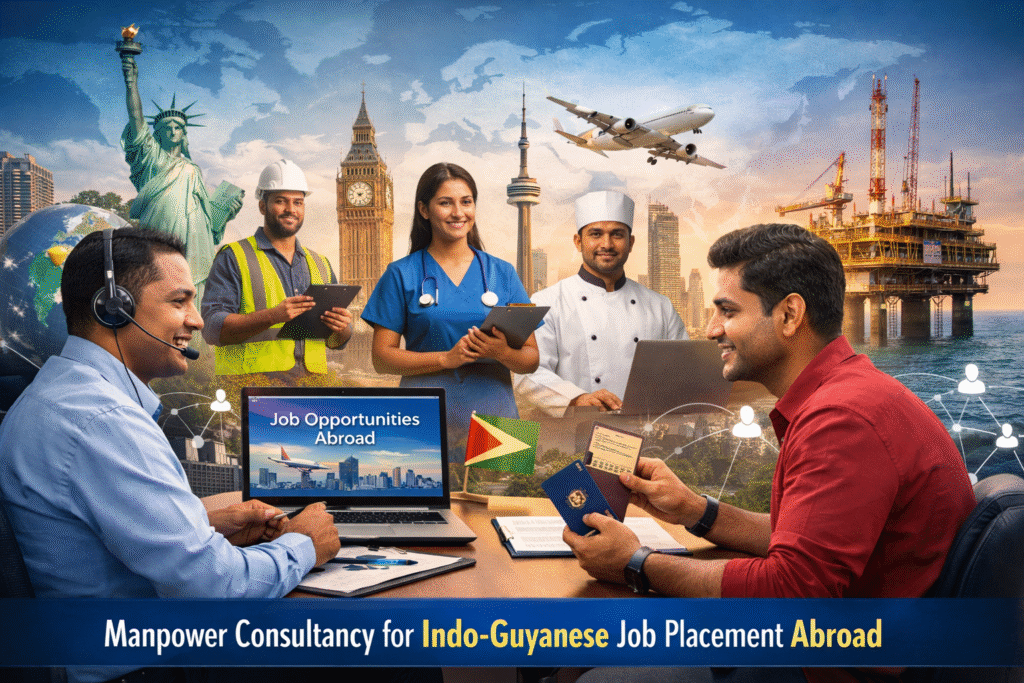

The global job market has changed significantly in recent years. Today, professionals are no longer limited to opportunities within their own countries. Instead, skilled candidates can explore careers across different regions, industries, and cultures. However, securing an international job is only one part of the journey. Candidates must also understand and adapt to global workplace expectations.
This is where recruitment consultants play an important role. They help candidates understand what international employers expect while preparing them to communicate, collaborate, and perform effectively in a diverse workplace. Moreover, their guidance can make the transition from a local work environment to a global one much smoother.
Understanding Global Workplace Expectations
Every workplace has its own culture, communication style, and professional standards. However, international organizations often follow certain expectations that may differ from those candidates are familiar with.
For example, employers may place greater emphasis on punctuality, teamwork, professional communication, problem-solving, adaptability, and independent decision-making. Therefore, candidates seeking international employment need to understand these expectations before entering a new workplace.
Recruitment consultants help bridge this gap. They explain the professional standards commonly followed by employers in different countries and industries. As a result, candidates can prepare themselves before they begin their international careers.
Improving Professional Communication Skills
Communication is one of the most important skills in a global workplace. Employees may work with colleagues, managers, and clients from different cultural and professional backgrounds. Consequently, clear and respectful communication becomes essential.
Recruitment consultants can help candidates improve their professional communication skills. They may provide guidance on writing professional emails, participating in meetings, speaking during interviews, and communicating with international colleagues.
Furthermore, consultants can conduct mock interviews and workplace communication exercises. Through practice, candidates can become more confident when expressing their ideas.
At the same time, candidates learn that effective communication is not simply about speaking fluently. It also involves listening carefully, asking appropriate questions, respecting different opinions, and avoiding misunderstandings.
Preparing Candidates for Cultural Differences
Workplace culture can vary considerably from one country to another. For instance, expectations regarding hierarchy, teamwork, leadership, personal space, meetings, and workplace relationships may differ.
Therefore, cultural awareness is extremely important for professionals moving into international employment.
Recruitment consultants help candidates understand these differences before they start working abroad. They may explain appropriate workplace behavior, communication styles, professional etiquette, and cultural sensitivities.
As a result, candidates can enter a new organization with greater awareness and confidence. Instead of feeling uncomfortable when they encounter unfamiliar practices, they are more likely to understand and adapt to them.
Developing Adaptability and Flexibility
Global employers increasingly value employees who can adapt to changing situations. New technologies, international teams, remote working, and evolving business requirements have made adaptability more important than ever.
Recruitment consultants encourage candidates to develop a flexible mindset. Rather than focusing only on their technical qualifications, candidates are encouraged to demonstrate their ability to learn new systems, accept feedback, and work with different teams.
Moreover, consultants can help candidates identify situations where adaptability is particularly important. For example, an employee may need to adjust to a different management style or collaborate with colleagues working in different time zones.
Consequently, candidates become better prepared to handle workplace changes.
Strengthening Teamwork Skills
Working in an international organization often means collaborating with people from different cultures and backgrounds. While diversity can encourage creativity and innovation, it can also create communication challenges.
Recruitment consultants therefore emphasize the importance of teamwork. Candidates learn how to respect different perspectives, contribute ideas, resolve disagreements, and support their colleagues.
In addition, consultants may use interview preparation sessions to teach candidates how to discuss previous teamwork experiences. This allows candidates to demonstrate their collaboration skills effectively during interviews.
Ultimately, strong teamwork helps employees build positive relationships and contribute more successfully to their organizations.
Teaching Professional Workplace Etiquette
Professional etiquette can influence how employees are perceived by their colleagues and employers. Simple behaviors such as arriving on time, responding to emails professionally, respecting deadlines, and participating appropriately in meetings can make a significant difference.
However, workplace etiquette is not identical everywhere. Therefore, candidates should understand the expectations of their target country and industry.
Recruitment consultants can provide practical guidance on professional behavior. They may explain appropriate dress codes, meeting etiquette, email communication, workplace relationships, and professional boundaries.
As a result, candidates can avoid common cultural misunderstandings and make a positive impression from the beginning.
Helping Candidates Build Confidence
Moving into a global workplace can feel challenging, especially for professionals who have never worked internationally. Even highly qualified candidates may experience uncertainty when facing unfamiliar workplace practices.
Recruitment consultants provide encouragement and preparation throughout the process. Through interview practice, career guidance, communication training, and constructive feedback, they help candidates become more confident.
Furthermore, consultants can identify areas that candidates need to improve. Instead of entering an international workplace unprepared, candidates have an opportunity to strengthen their skills beforehand.
This confidence can make a significant difference during both the hiring process and the early stages of employment.
Supporting Professional Presentation
A candidate’s resume, interview performance, communication style, and professional online presence can all influence international career opportunities.
Recruitment consultants help candidates present themselves appropriately for global employers. They can review resumes, suggest improvements, and ensure that professional experience and skills are clearly communicated.
Additionally, consultants can help candidates understand how to highlight transferable skills. For example, leadership, customer service, project management, problem-solving, and communication skills can be valuable across different countries and industries.
Therefore, candidates can present their experience in a way that is relevant to international employers.
Preparing Candidates for Remote and Hybrid Work
Global workplaces are increasingly adopting remote and hybrid working models. Consequently, candidates may need to collaborate with colleagues without being physically present in the same office.
Recruitment consultants can help candidates understand the expectations of remote work. These may include managing time effectively, communicating through digital platforms, attending virtual meetings professionally, and meeting deadlines independently.
Moreover, international remote teams often require employees to work across different time zones. Candidates therefore need strong organizational skills and flexibility.
By preparing candidates for these realities, consultants help them become more effective in modern global workplaces.
Encouraging Continuous Learning
Finally, adapting to a global workplace is not a one-time process. Workplace expectations continue to evolve as industries, technologies, and cultures change.
Recruitment consultants encourage candidates to develop a habit of continuous learning. They may recommend improving digital skills, communication abilities, industry knowledge, or leadership capabilities.
In addition, candidates should remain open to feedback. Learning from colleagues and managers can help professionals understand workplace expectations more effectively.
Conclusion
Adapting to global workplace expectations requires more than technical qualifications. Candidates also need cultural awareness, communication skills, flexibility, teamwork, confidence, and professional etiquette.
Fortunately, recruitment consultants can provide valuable guidance throughout this transition. From improving resumes and preparing for international interviews to developing communication skills and understanding workplace cultures, their support helps candidates become better prepared for global careers.
Moreover, as international employment opportunities continue to grow, the ability to adapt will become increasingly valuable. Therefore, candidates who combine professional expertise with cultural awareness and adaptability can position themselves for long-term success in the global workforce.
Ultimately, recruitment consultants do more than connect candidates with jobs. They help professionals understand what it takes to succeed once they enter the global workplace.